

Your Professional Plant Extracts Supplier!
The TNN group has existed since 1998 for 2 decades. TNN has 31 staff, own offices, joint laboratory, independent e-commerce platform, ISO9001 and CE certification, independent trademark and other high-level professional office equipment, as well as institutional certificates, 3 overseas companies, 2 domestic offices and two affiliated companies. Our product includes nutritional supplements such as vitamin C, citric acid, aspartame, sodium benzoate, xanthan gum. chemicals such as sodium metabisulfate, phosphoric acid. Pharmaceutical raw materials such as paracetamol. Beverage production equipment such as water pipes and easy-open lids.
-

Inulin Powder Chicory Root Extract Inulin
TNN Development Limited in China is our headquarters for sourcing and distribution worldwide. TNN USA Inc is intended for distribution in the United States. Welcome to inquire.
Add to Inquiry -
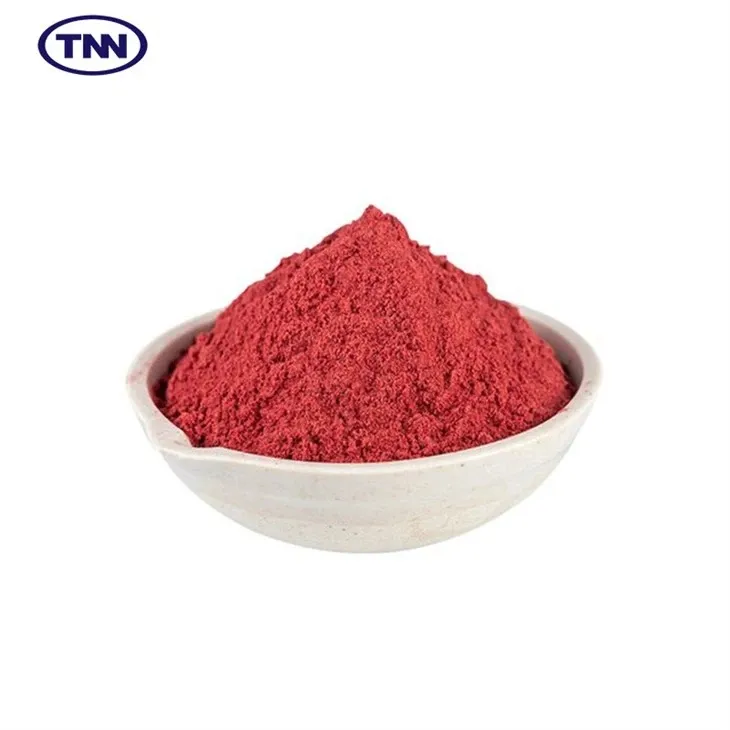
Lycopene Powder, 96% Lycopene Oil
Product name: lycopene. Appearance: dark red powder, oil, granules, microcapsules.
Add to Inquiry -
Bitter Almond Extract Vitamin B17 Amygdalin Powder
Product Name: Bitter Almond Extract Botanical Source: Sperm Armeniacae Amarum Part Used: Seeds Active Ingredient: Amygdalin 98% HPLC
Add to Inquiry -
Mocha (also known as ultimate tea in ancient China) originated during the Sui and Tang dynasties of China. Tender spring tea leaves were steam blanched and then made into cupcake tea (group tea) for
Add to Inquiry -
Organic Matcha Green Tea Powder
Organic Matcha Green Tea Powder is a beneficial organic tea extract that is beneficial for physical health.
Add to Inquiry -
Matcha powder is a healthy and organic tea extract that is beneficial for physical health.
Add to Inquiry -
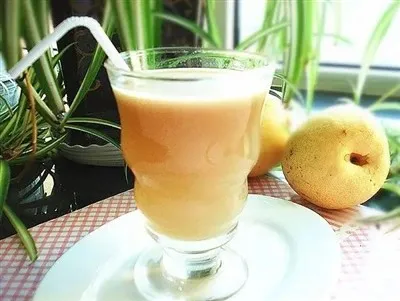
Pear juice is a healing diet made from Sydney and lemon juice. Pear juice is a type of drink primarily from Sydney. Purpose and purpose of pear juice Pear juice is the best “cleanser” of the
Add to Inquiry -
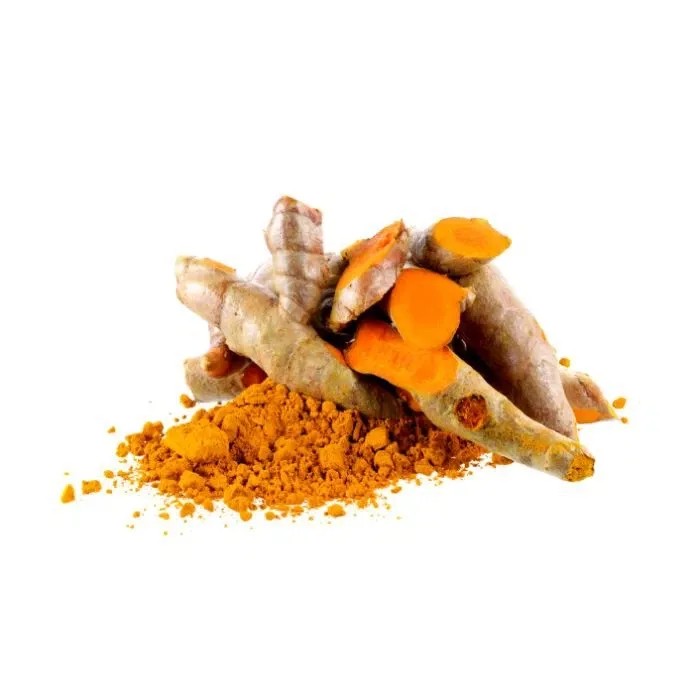
Curcumin is a natural compound that has the functions of reducing blood fat, antitumor, anti-inflammatory, choleretic, antioxidant, etc.
Add to Inquiry



Why Choose Us
Patent Certificates
We are ISO9001 and CE certified, and have passed EU GMP, Halal, and Kosher certifications.
Professional Team
We have a professional team of 31 employees, including R&D experts and experienced analytical and application laboratory technicians.
Advanced Equipment
We are equipped with independent laboratories and professional testing equipment to ensure product quality and smooth technological development.
Specification
|
Thing |
Specifications |
|
Inulin |
90 percent 95 percent |
|
Appearance |
White fine powder |
|
Smell |
Characteristic |
|
Taste |
Characteristic |
|
Particle size |
80mesh |
|
Damage due to drying out |
5 percent NMT (percentage) |
|
Total ash |
2 percent BDC (percent) |
|
Bulk Density |
{{0}}.4–0.6 g/ml |
|
Lead (Pb) |
2 parts per million maximum |
|
Arsenic (As) |
2 parts per million maximum |
|
Cadmium (Cd) |
2 parts per million maximum |
|
Mercury (Hg) |
1 ppm no more |
|
Total number of plates |
1000 CFU/g max. |
|
Yeast mold |
100 CFU/g max. |
|
E. Koli. |
Negative |
|
Salmonella |
Negative |
|
Staphylococcus |
Negative |
Plant extracts have long been used in traditional medicine for their therapeutic benefits. These extracts are gaining popularity as people look for natural alternatives to conventional medicine.
Phytochemicals are natural compounds found in plants such as herbs, vegetables, and fruits that work with nutrients and fibers to support health-promoting functions and activities in the body.
There are many benefits to using plant extracts. They are often more potent than isolated compounds and can provide a wide range of benefits. Plant extracts can be easier to absorb and more tolerable than synthetic drugs.
Other benefits of using plant extracts include a long shelf life. Plant extracts are not easily degradable and consistent, and can maintain good quality for a long time. The extract's active ingredient percentage is standardized to ensure the same high-quality extract ratio every time.
Recent studies have shown that plant extracts can have a positive effect on various health conditions, including diabetes, obesity, heart disease, and cancer. They can also help to boost cognitive performance, improve skin health, and reduce inflammation.
Distillation extraction method
Distillation extraction is the extraction method of most essential oils, which requires a large amount of plants. Usually, thousands of kilograms of plants can only extract tens of kilograms of essential oils, but high temperature may change the original smell of plants.
Pressing method/cold pressing extraction method
This is currently the most commonly used plant extraction method to extract plants with oily components (peel, seeds, etc.). Cold pressing does not mean a low-temperature environment, but a lower operating temperature (40-60°C) than general high-temperature extraction.
Freeze-drying method
Freeze drying is also called sublimation drying. The drying method is to freeze the water-containing material below the freezing point, turn the water into ice, and then turn the ice into vapor under a relatively high vacuum to remove it.
Solvent extraction method
The essence of the plant is extracted by using the dissolving power of the solvent to obtain a mixture containing solvent and botanical ingredients.
Oil bubble extraction method
Soak the plant in vegetable oil to break the oil cells of the plant, and the hot oil will absorb the released essence, and finally filter and purify.
Application of Plant Extracts
Colorants
Botanical extracts have been used for centuries as colorants in a variety of applications. Plant extracts are still used extensively as colorants in the cosmetics, food, and textile industries. Many plant extracts contain natural pigments that can be used to add color to products.
Sweeteners
An increasing number of people are looking for natural alternatives to sugar and other artificial sweeteners. Plant extracts can be a great way to sweeten food and drink without using artificial ingredients.
Pharmaceutical raw materials
The therapeutic properties of plant extracts have been utilised for centuries in traditional medicines. Nowadays, they are being examined more frequently for their potential as pharmaceutical raw materials.
Health products
The components in plant extracts include glycosides, acids, polyphenols, polysaccharides, terpenes, flavonoids, alkaloids, etc. These components have been proven to have biological activity in research, and have a non-negligible effect on human health.
Dietary Supplements
Plant extracts are commonly used in dietary supplements due to their high concentration of active compounds. These extracts can provide a wide range of health benefits, from improving cognitive function to supporting immunity.
Plant Extracts Storage



Temperature
Temperature is one of the most critical factors affecting the stability of plant extracts. High temperatures can accelerate the degradation of active compounds, leading to a loss of potency and efficacy. It is essential to store plant extracts in a cool environment, ideally between 2°C and 8°C, to minimize the impact of temperature on their stability.
Humidity
Humidity can also have a significant impact on the stability of plant extracts. High humidity levels can promote the growth of mold and bacteria, which can contaminate the extracts and compromise their quality. Additionally, moisture can cause the extracts to become sticky or clumpy, making them difficult to use. To maintain optimal stability, store plant extracts in a low-humidity environment, preferably below 50% relative humidity.
Light Exposure
Plant extracts are sensitive to light, which can cause photochemical reactions that degrade their active compounds. Exposure to sunlight or artificial light sources can lead to a loss of potency and color changes in the extracts. To protect plant extracts from light damage, store them in opaque or amber-colored containers and keep them away from direct sunlight or strong light sources.
PH Levels
The pH level of plant extracts can affect their stability, as extreme pH levels can cause the degradation of active compounds. Store plant extracts in a stable pH environment, and consider using buffering agents if necessary to maintain the desired pH range.
Shelf Life
The shelf life of plant extracts can vary depending on the specific plant material and the extraction method used. Be aware of the expiration date or recommended storage duration for your specific extracts, and rotate your inventory accordingly to ensure that older batches are used before they expire.
- Contact Customer Service
- Submit Order
- Obtain a Quote
- Confirm Order
- Arrange Payment
- Track Order
- Receive and Inspect Goods

Packaging Delivery

Our Certificate

FAQ
As one of the most professional herbal extracts manufacturers and suppliers in China, we're featured by high quality products and low prices. Please rest assured to wholesale made in China herbal extracts from our factory.
